Product
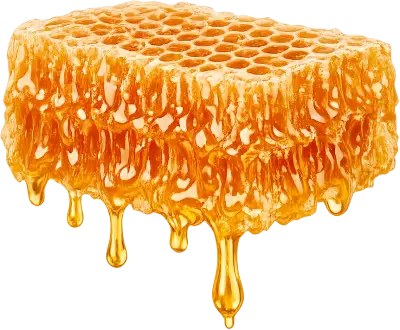
Wild-hive honey
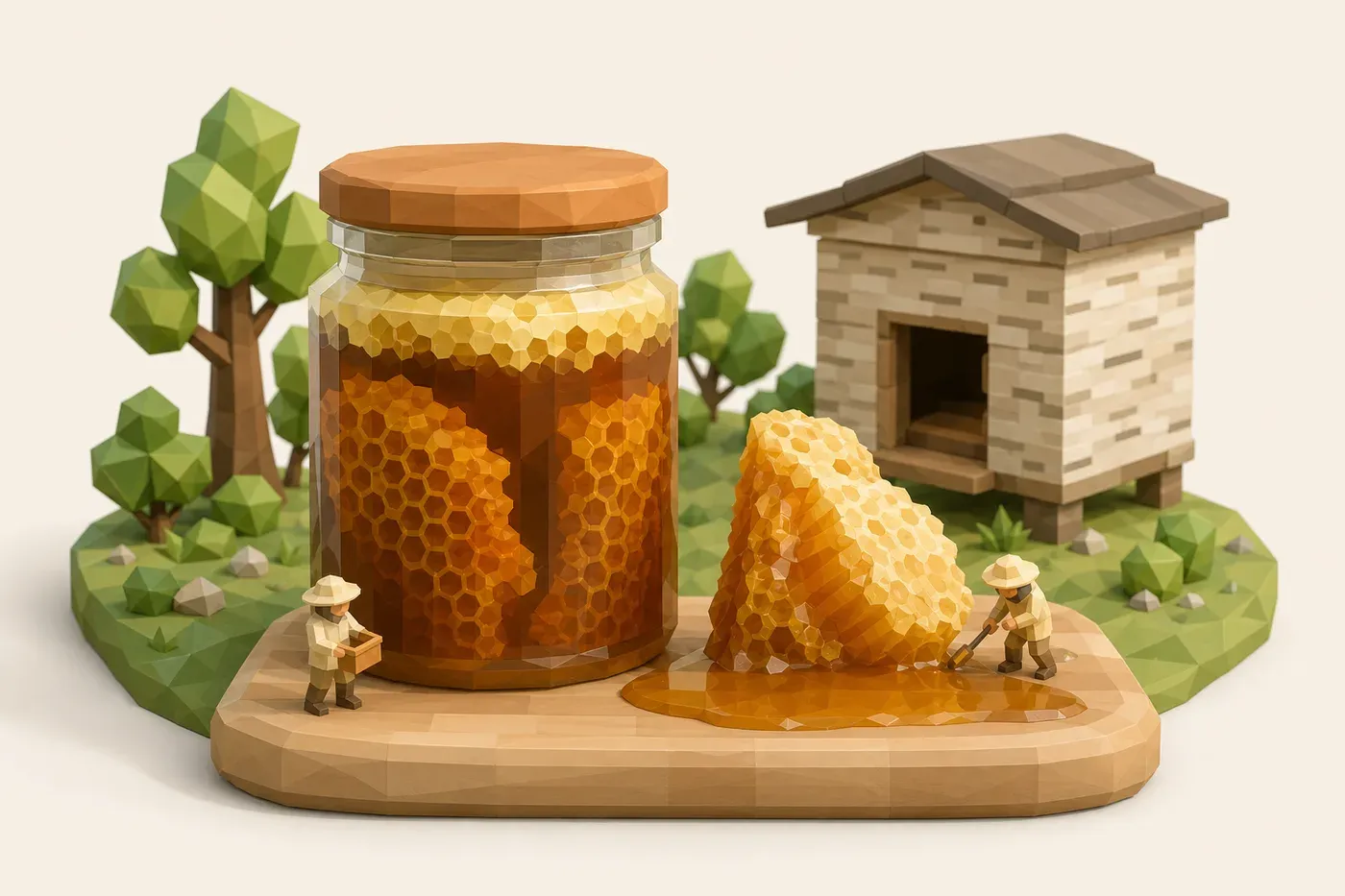
Honey from a log hive or a tree hive: a hollow carved into a log or a living tree. This is how bees were kept in the forests here from the 16th century. Tree-hive beekeeping in Belarus and Poland is on the UNESCO list.

What it is
Why it works
- 01
Taste
Dark and thick, with the bitterness of forest herbs, raspberry and linden, and a hint of wax and propolis.
- 02
Why people will buy it
Almost nobody in Belarus sells honey like this. Comb honey in a jar with wax makes a gift to take abroad.
- Price per kg150–200 BYN
- First incomeAugust of year 2
How we make it
How we make it
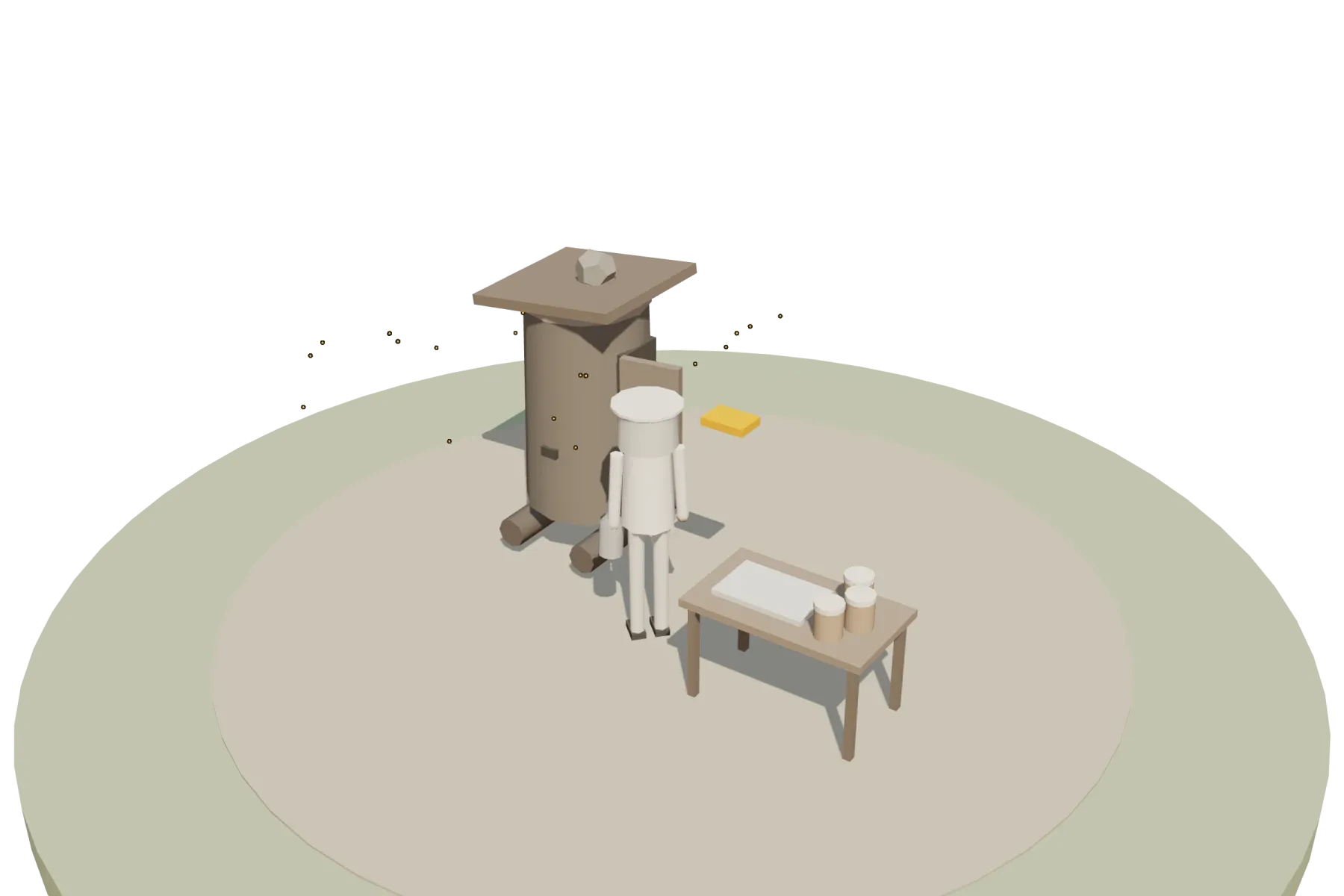
A log hive is a hive without frames: the bees build the comb themselves, and the honey is cut out in pieces instead of being spun. There is only one heavy job, the carving in winter. In summer the hive is left alone for weeks, and that is the whole idea.
The log
Pine or aspen, 60–80 cm across and 1.5 m long. From a windfall or from the forestry office: 0–300 BYN for five.
Carving, in winter
With a chainsaw we cut a window in the side, then hollow out a cavity of 30 by 90 cm with an adze and chisels. One hive takes 1–2 days.
Door board and entrance
We close the window with a removable board, the dolzheya. The entrance faces south, with a wooden lid on top.
Location
The hive stands on a base 0.5–1 m high at the forest edge. Lifted into a tree 3–4 m up, it becomes a tree hive, which people love to photograph.

How we serve it
How we serve it
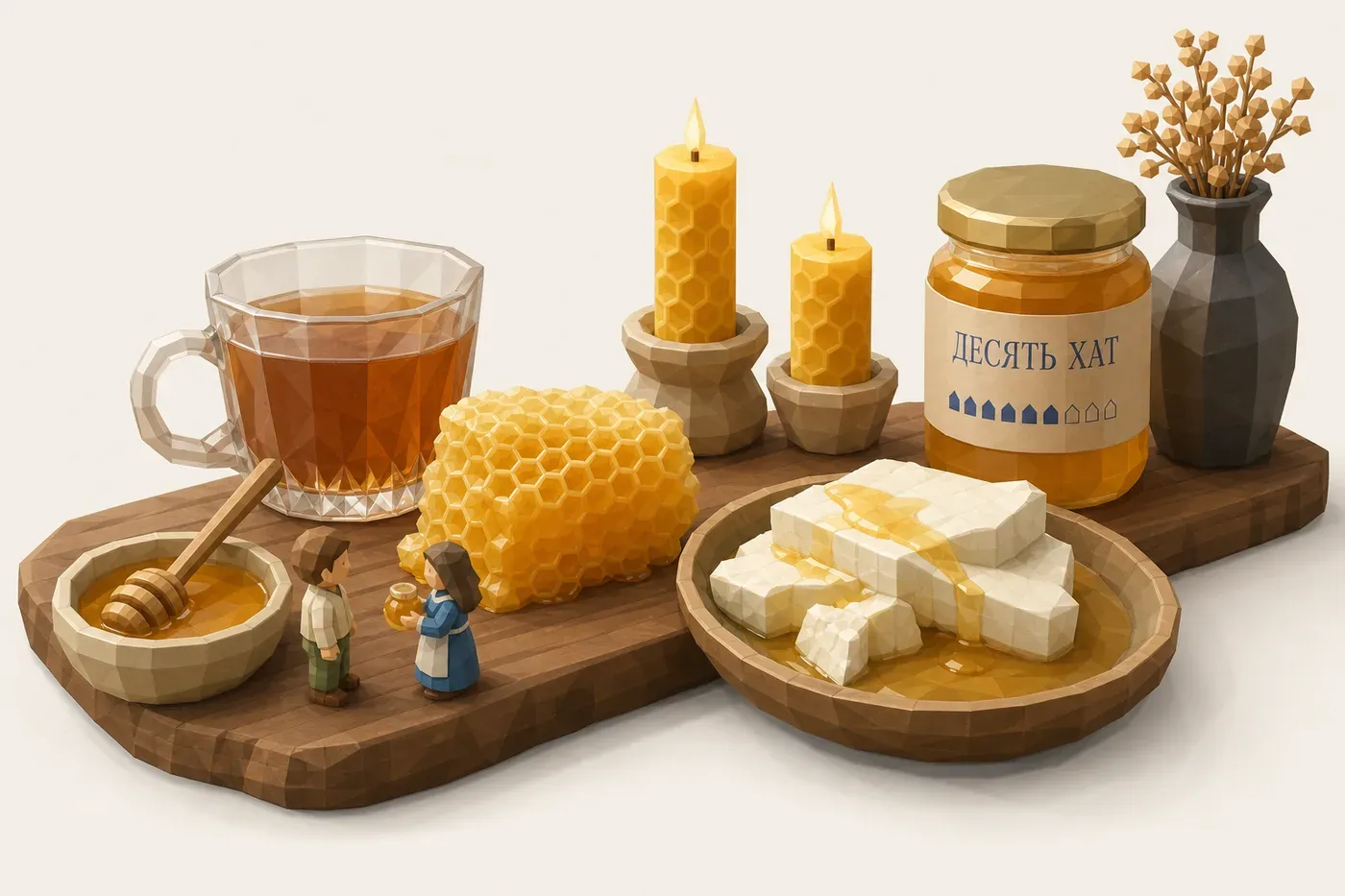
Wild-hive honey is eaten with the wax, straight from the comb, and in a jar it looks like a gift from the forest. Wax and propolis from the hives go into soap and candles, and once there are 15–20 hives, the honey will go into mead.
- 01
Comb honey
A piece of comb on a cheese board. Eaten together with the wax.
- 02
With fresh cheese
Klinkovy cheese and a spoon of honey, the simplest pairing.
- 03
In tea
With linden blossom from the same forest.