 in the greenhouse
Tomatoes
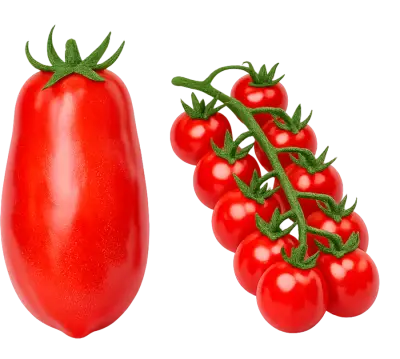
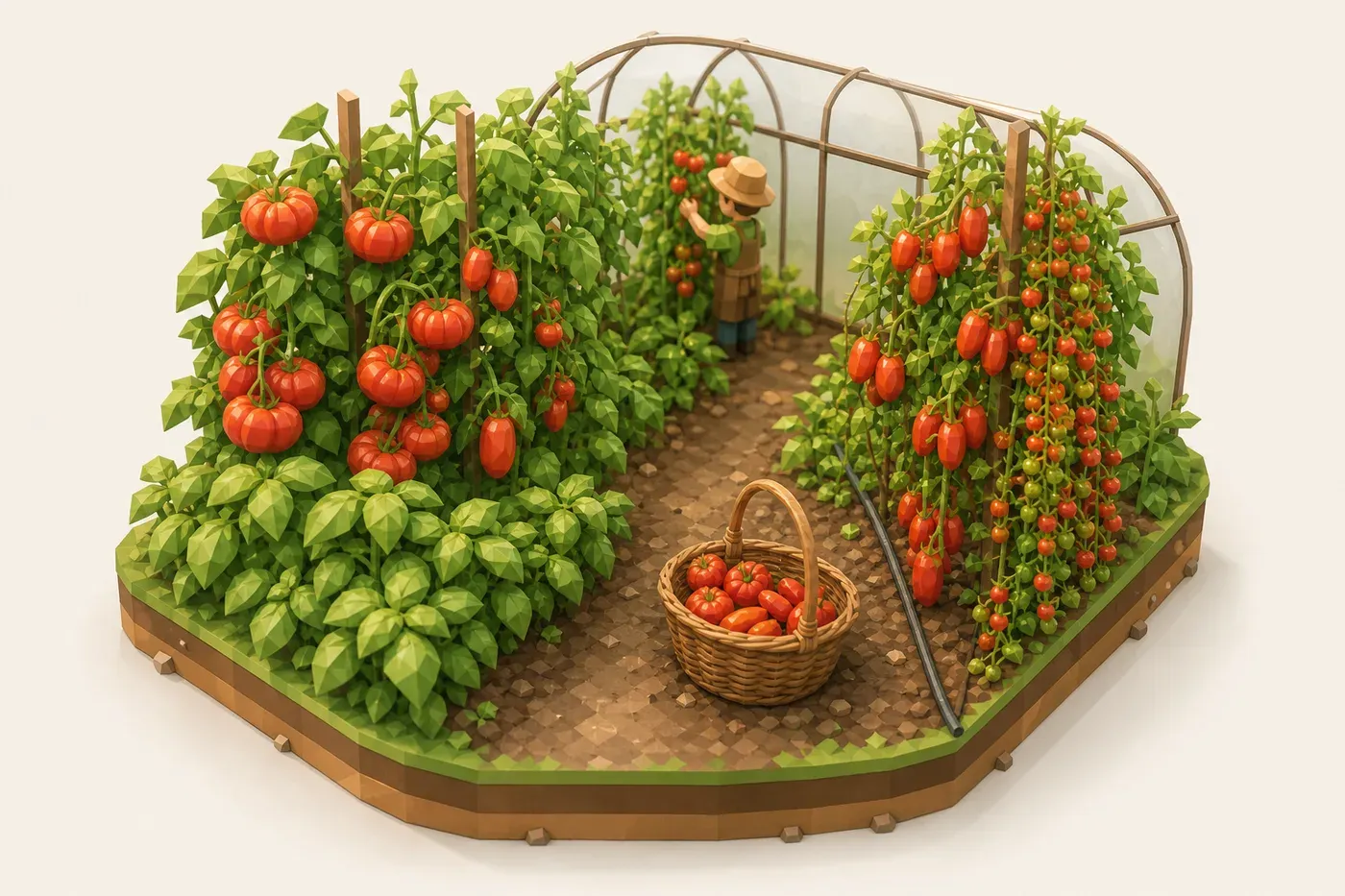
San Marzano for passata, Cuore di Bue for salad.
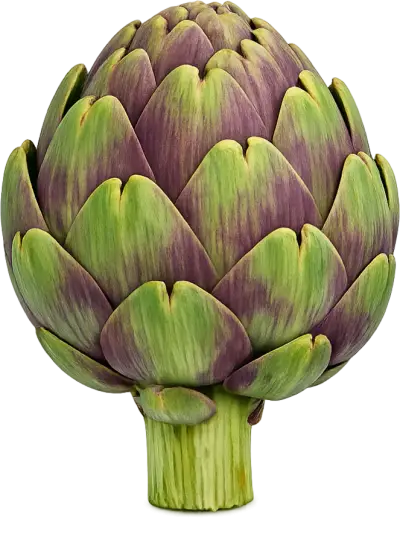
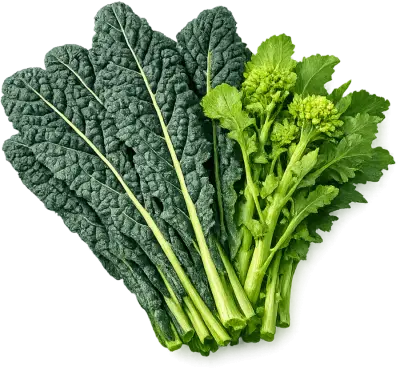
The owners lived in Italy for 16 years and want the village to have its own piece of Tuscany: chicory, artichokes, black kale and tomatoes for sauce. The garden feeds the family and the guests.
The garden
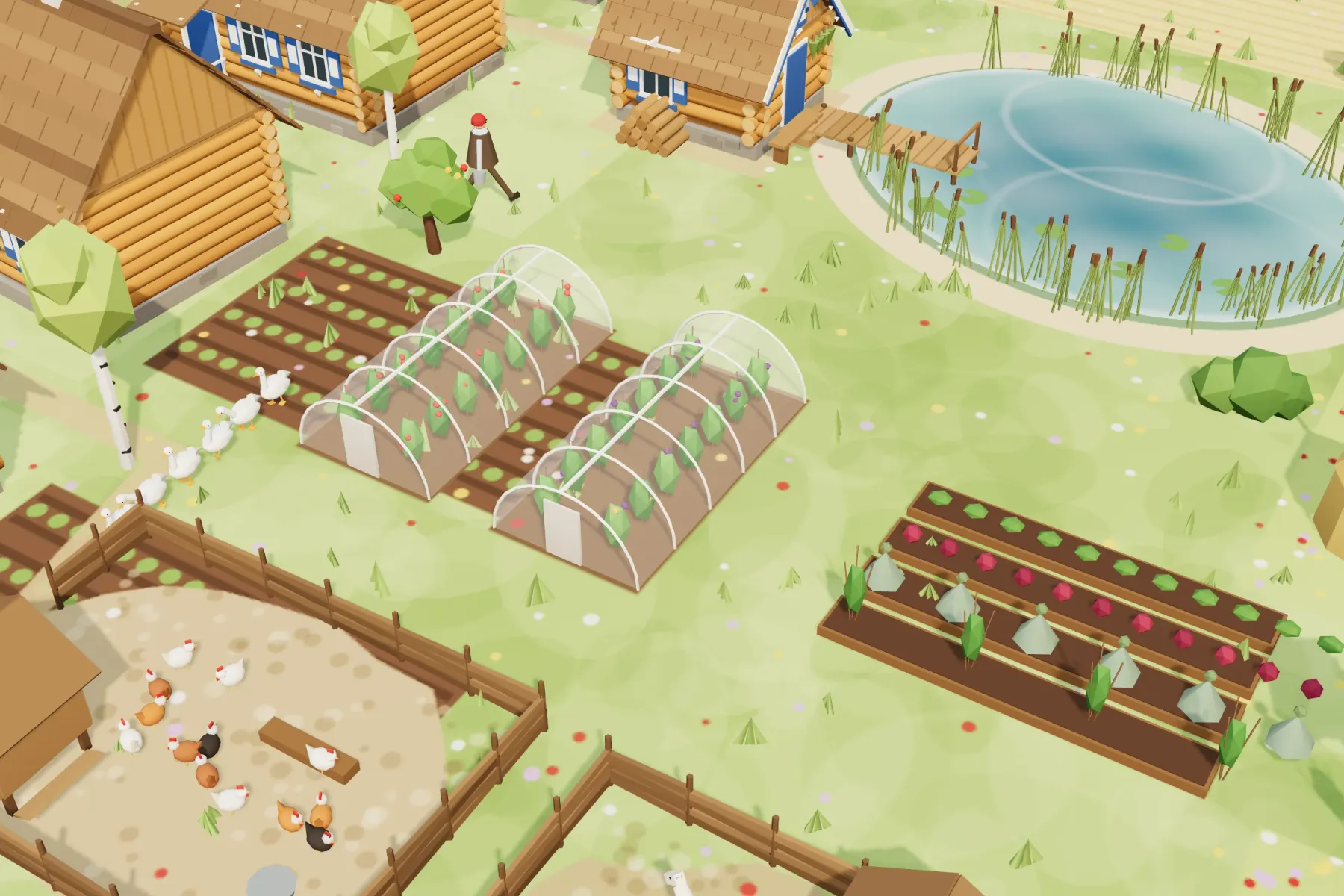
An open garden, two greenhouses, a cellar and compost. An unheated greenhouse adds more than a month in spring and autumn, and the cellar feeds the kitchen in winter.
We fertilize with horse manure, kitchen compost and silt from the pond. Bees from the log hives pollinate the orchard.
A Tuscan garden
in the greenhouseSan Marzano for passata, Cuore di Bue for salad.
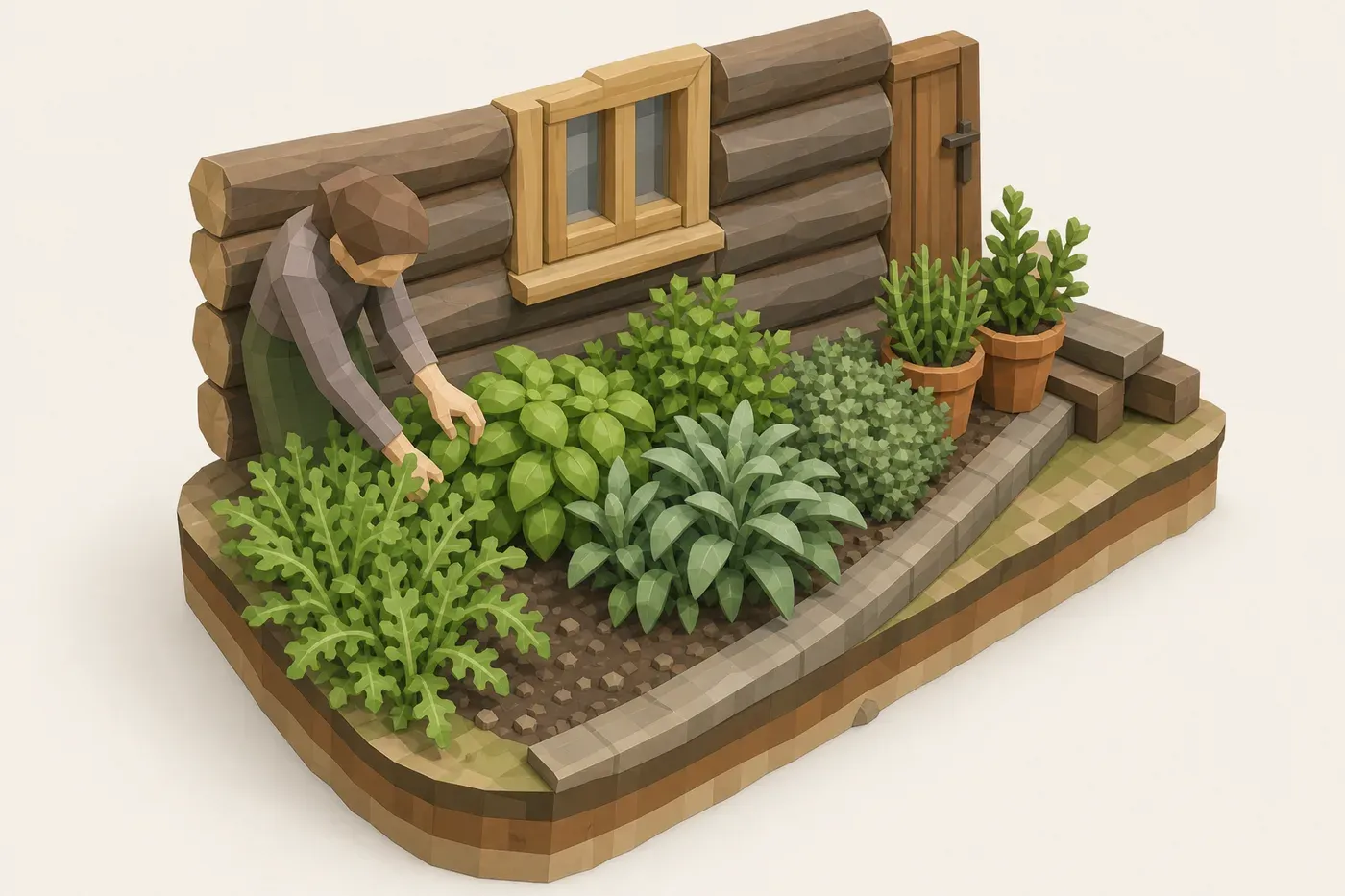 growing
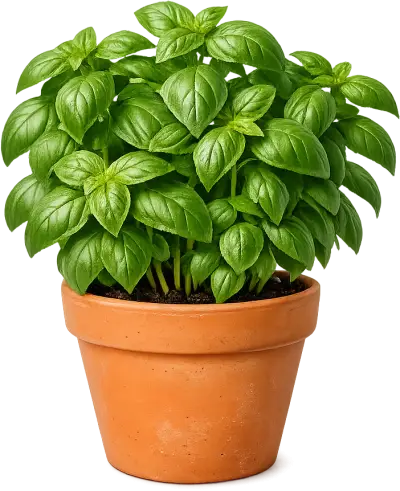
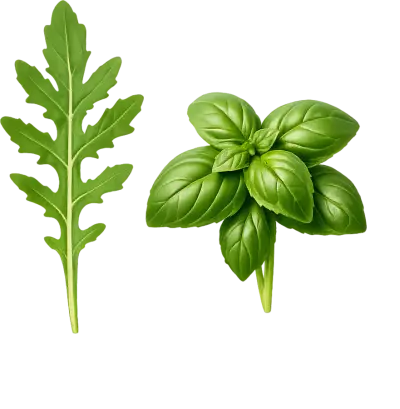
We sow a little all summer, and the basil goes into pesto.
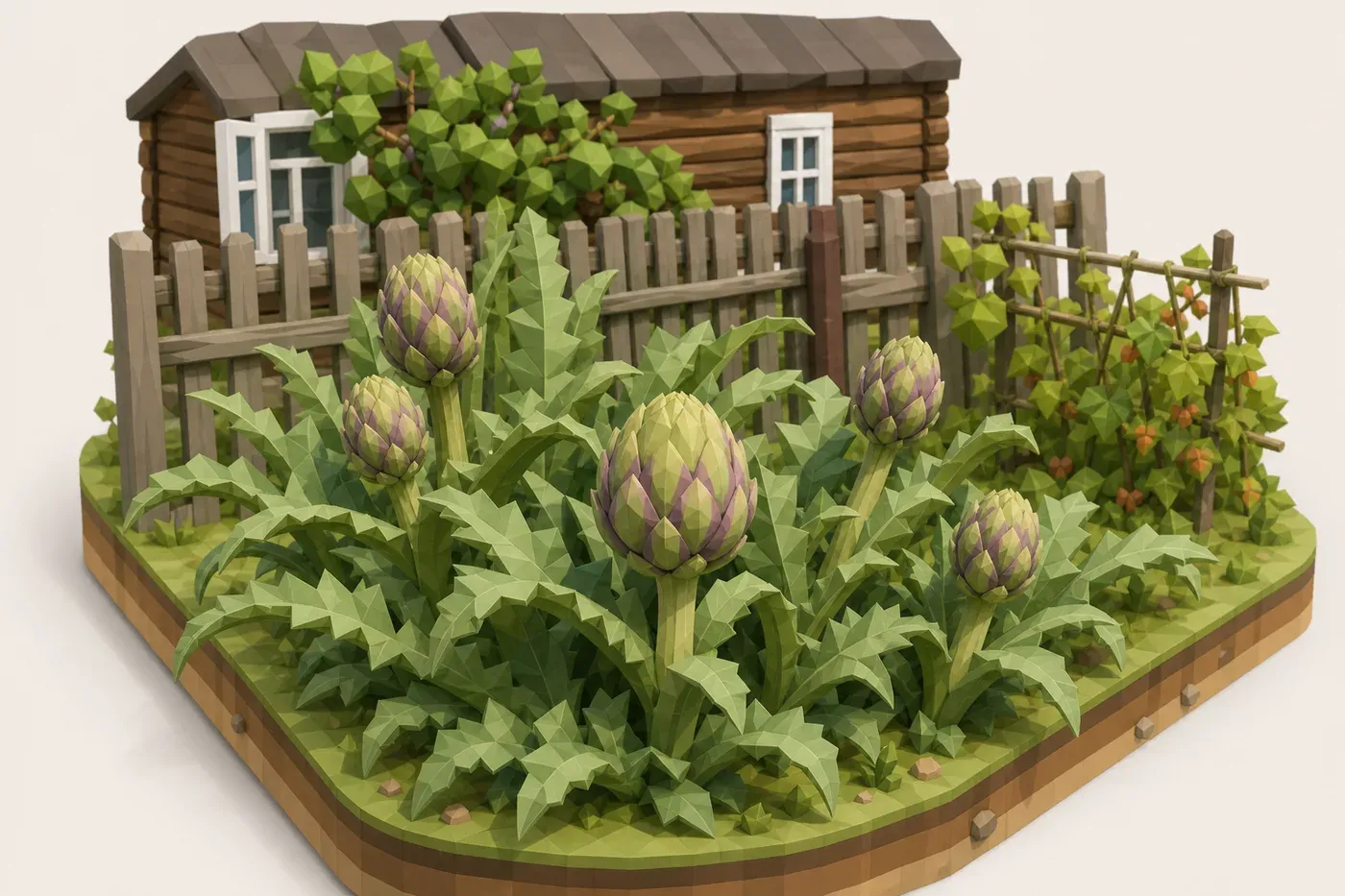 as an annual
It will not survive our winter, so we grow it from seedlings every year.
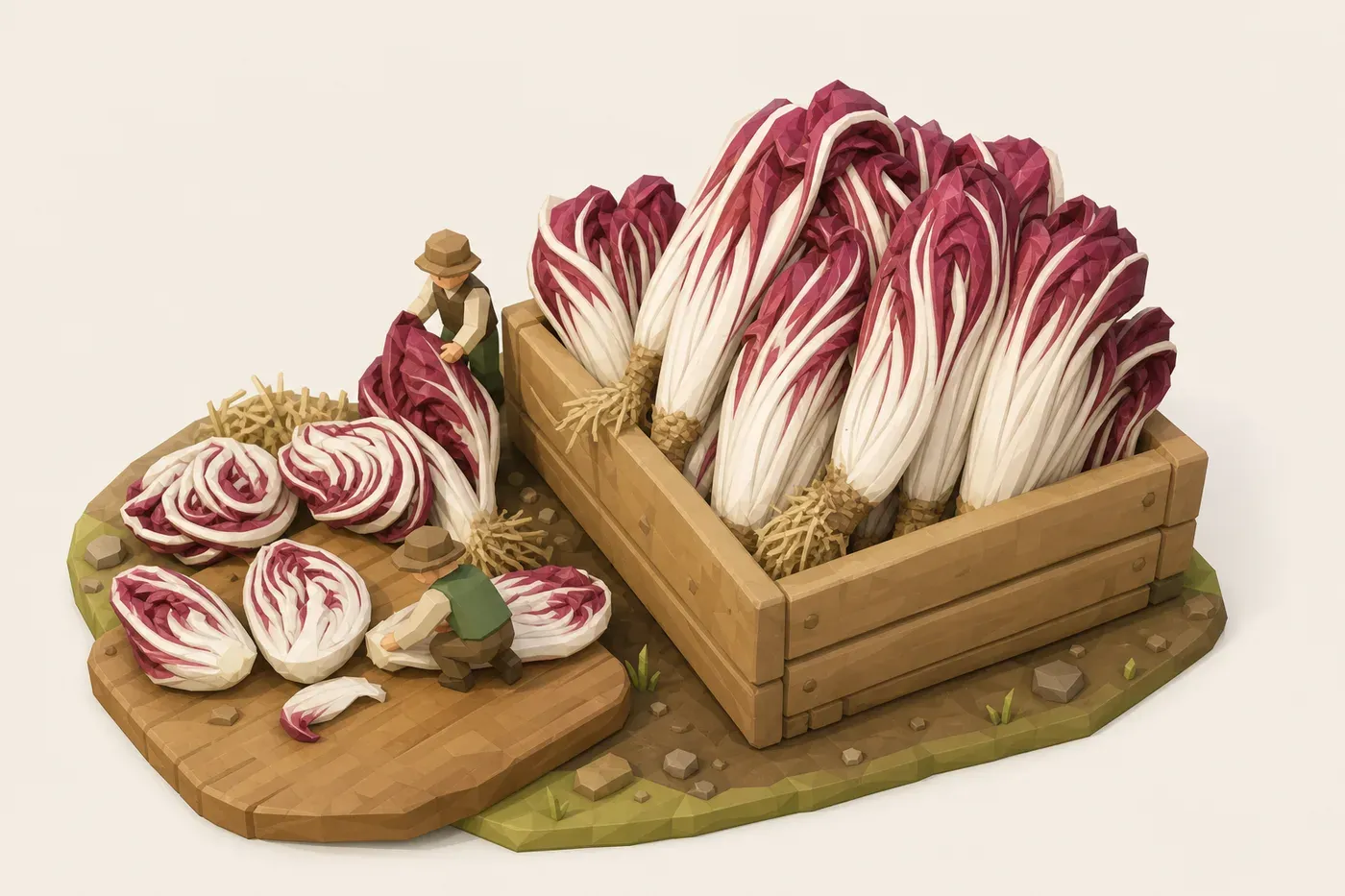 growing
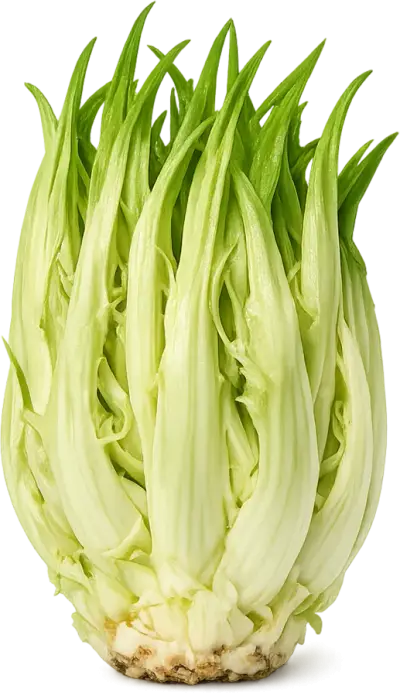
Bitter salads that nobody else grows in Belarus.
For Tuscan ribollita.
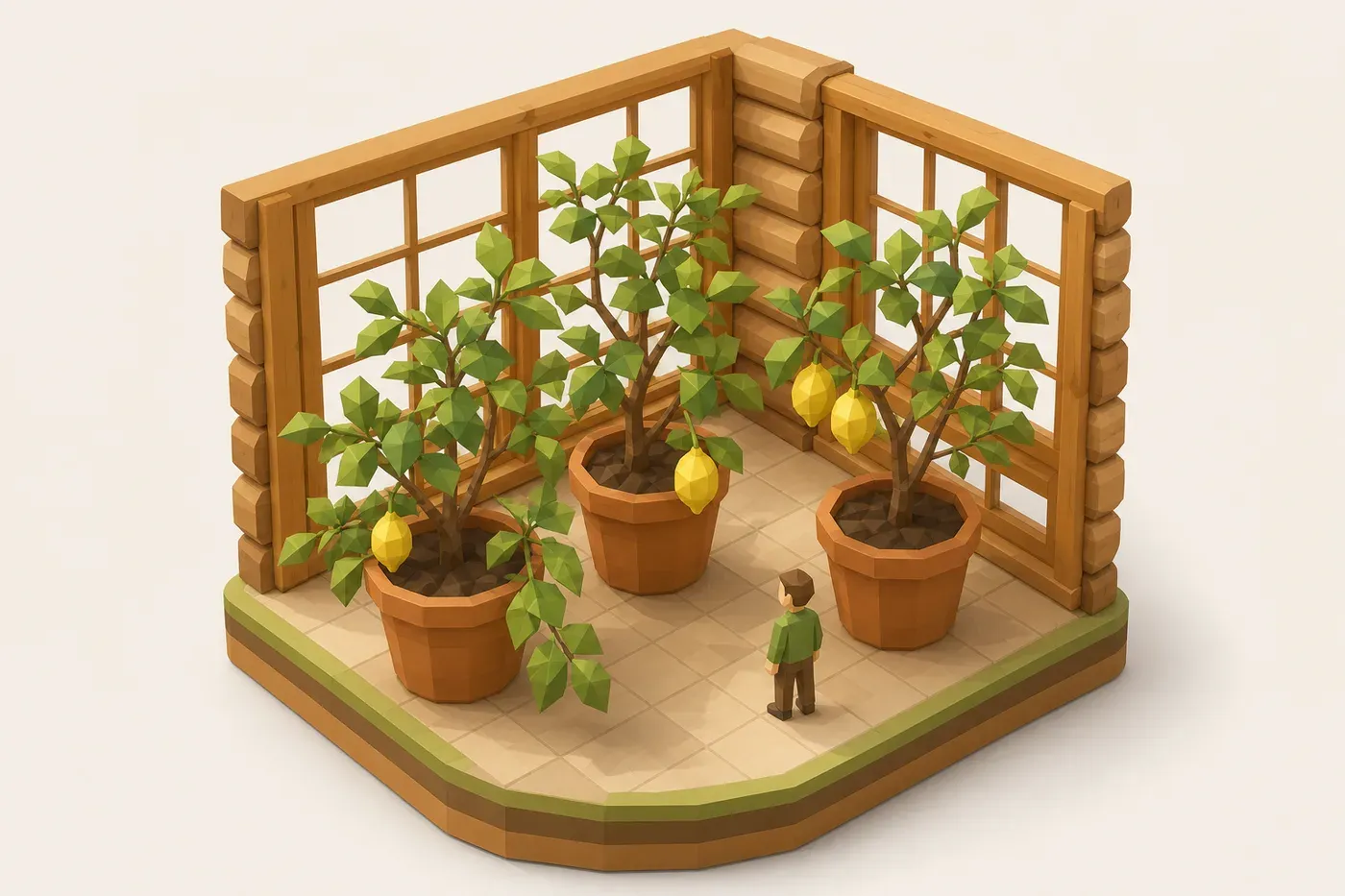 in tubs
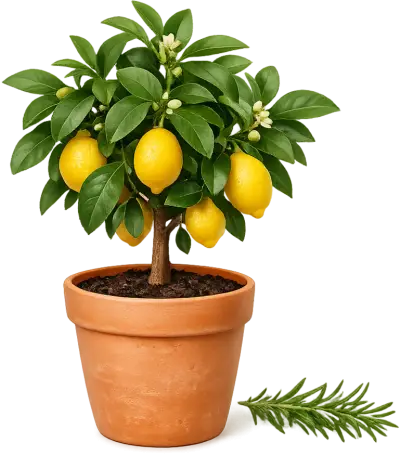
In the yard in summer, in a bright cool room in winter.
Garden calendar
Greenhouse, open garden or cellar: there are almost no empty months. February and March are hardest, and then the cellar and preserves help.
The hardest months are February and March. The cellar (radicchio, root vegetables, cabbage), preserves and the first greens from the greenhouse carry the kitchen through.
| Crop | Jan | Feb | Mar | Apr | May | Jun | Jul | Aug | Sep | Oct | Nov | Dec |
|---|---|---|---|---|---|---|---|---|---|---|---|---|
| Radicchio tardivo | Cellar: forcing and storage | Cellar: forcing and storage | Open garden | Open garden | Open garden | Open garden | Open garden | Open garden | Cellar: forcing and storage | |||
| Puntarelle | Greenhouse | Greenhouse | Greenhouse | Greenhouse | Greenhouse | Greenhouse | Greenhouse | |||||
| Artichoke | Greenhouse | Greenhouse | Greenhouse | Open garden | Open garden | Open garden | Open garden | Open garden | ||||
| Tomatoes, peppers, basil | Greenhouse | Greenhouse | Greenhouse | Greenhouse | Greenhouse | Greenhouse | Greenhouse | |||||
| Cavolo nero, cime di rapa | Open garden | Open garden | Open garden | Open garden | Open garden | Open garden | Open garden | Open garden | ||||
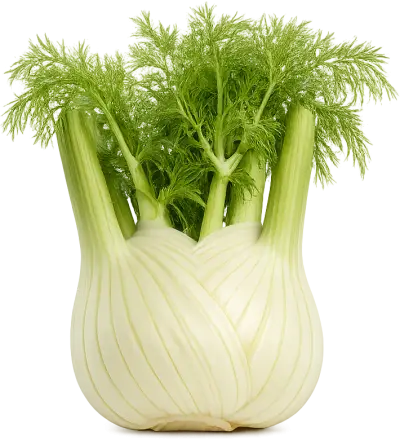
| Fennel | Open garden | Open garden | Open garden | Open garden | Open garden | |||||||
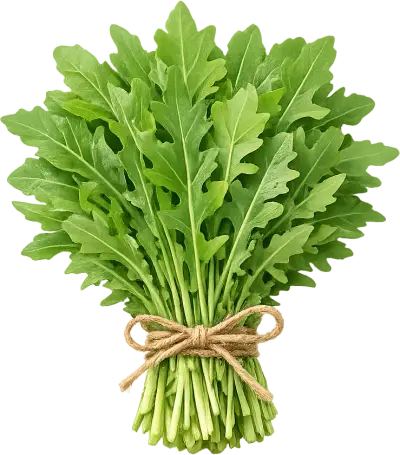
| Rocket, salads, spinach | Greenhouse | Greenhouse | Open garden | Open garden | Greenhouse | Greenhouse | ||||||
| Potatoes, beetroot, cabbage | Cellar: forcing and storage | Cellar: forcing and storage | Cellar: forcing and storage | Open garden | Open garden | Open garden | Open garden | Open garden | Open garden | Open garden | Cellar: forcing and storage | Cellar: forcing and storage |
A winter salad
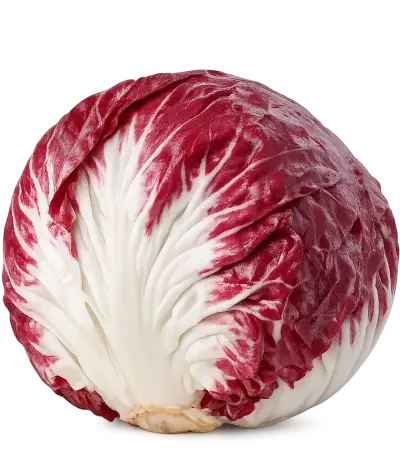
In autumn we dig up radicchio with its roots and stand it in a dark cellar. In January crisp white and red leaves grow from the root: a fresh salad while the garden sleeps.
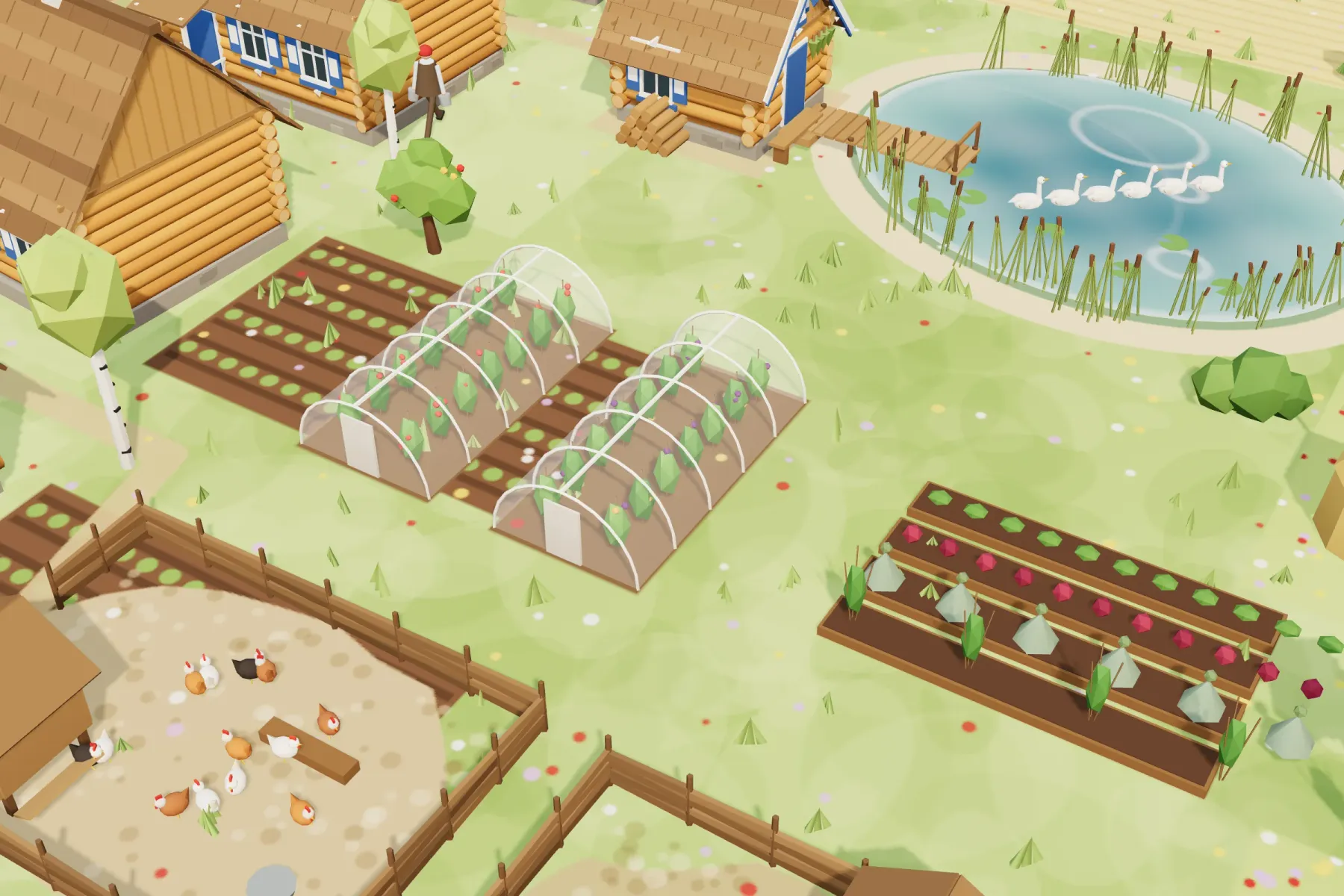
Italian evening
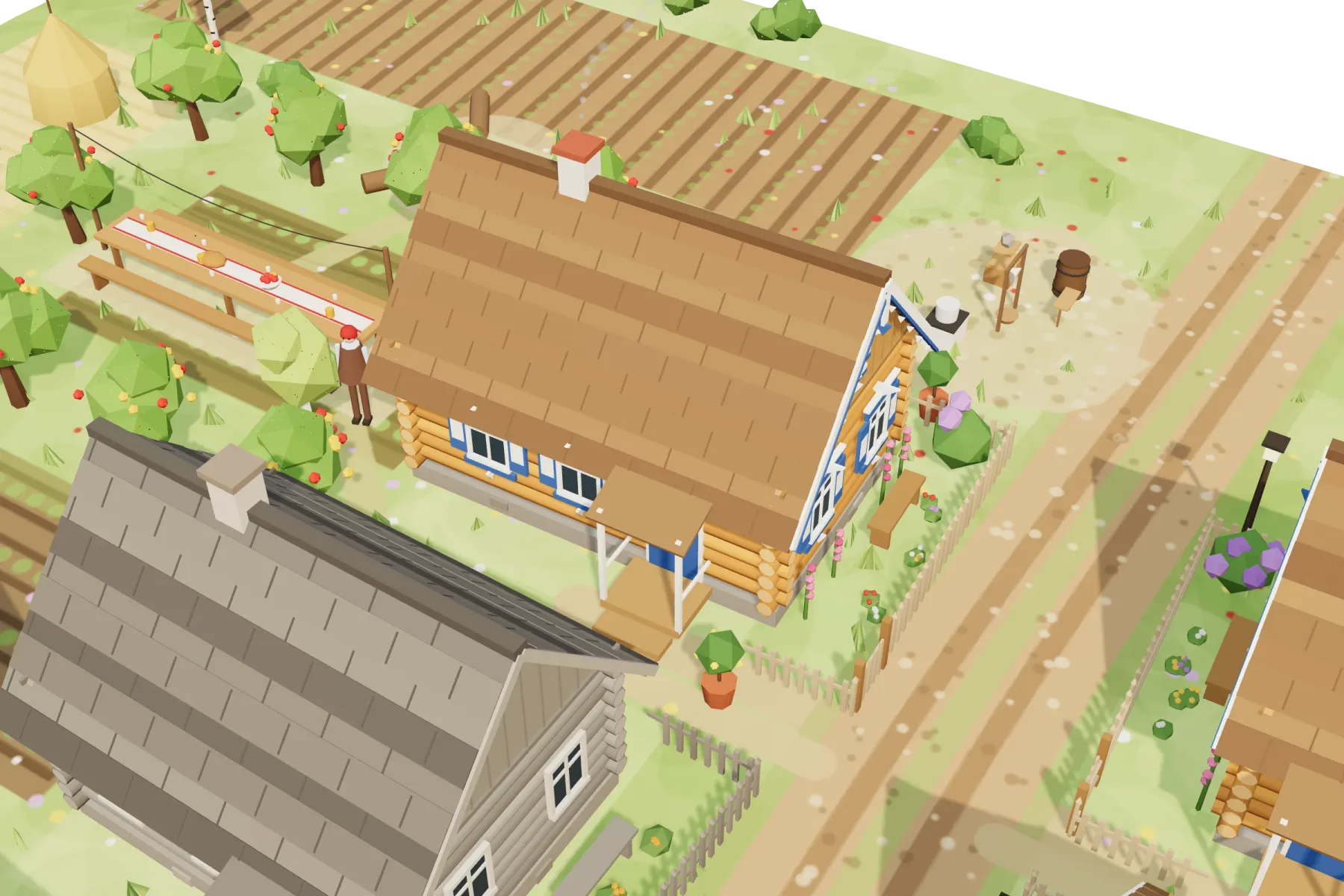
The cycle
Manure goes to the compost, and from there to the beds.
Peelings to the compost, whey to the geese.
They pollinate the orchard and the garden.
Apples for the table, for cider and for drying.
Get involved
One greenhouse already gives the kitchen tomatoes, peppers and basil. It is a small, clear step to start helping with.
08 /Questions
Most do. Tomatoes and peppers in the greenhouse, artichoke as an annual, lemons and rosemary in tubs.
From the cellar: we force radicchio in the dark, and in January it gives fresh leaves.
A Thursday dinner: handmade pasta, ribollita, focaccia and the hosts' stories about Italy.
We are not asking for the whole budget at once. Support one specific piece of work, one house, or take on a line of work of your own.
Support the project